Core Elements Included in Landscaping
Landscaping includes the planning and design of outdoor spaces to improve functionality and appearance. It involves arranging natural elements in a structured way. Purpose and usability are central.
Plants, lawns, and trees are key components. Their placement affects shade, movement, and visual balance. Design decisions matter.
Landscaping also considers soil preparation. Healthy soil supports long-term growth and stability.
Water management is another essential aspect. Proper irrigation supports plant health.
Landscaping integrates outdoor areas with the property’s layout. Cohesion improves usability.
Overall, landscaping includes both planning and execution of outdoor environments.
Softscape Features in Landscaping
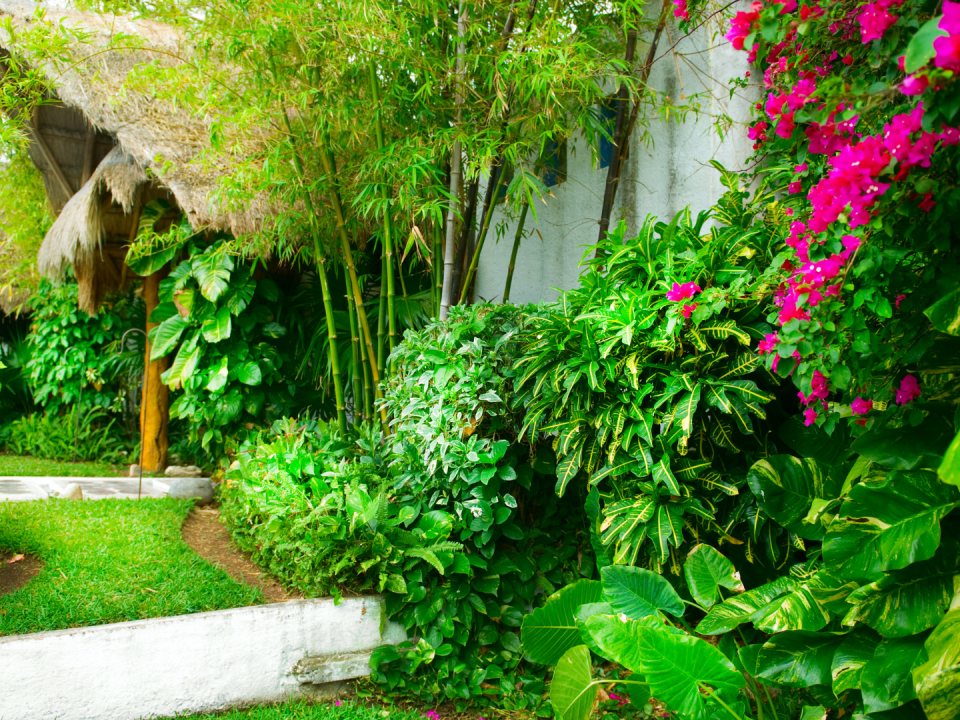
Softscape refers to living elements within landscaping. These elements create natural texture and movement.
Grass areas support open use. Lawns provide visual openness.
Trees add shade and structure. Their placement affects comfort.
Shrubs and plants define boundaries. Visual clarity improves.
Seasonal plants add variation. Outdoor spaces feel dynamic.
Softscape elements form the living foundation of landscaping.
Structural Aspects Within Landscaping
Landscaping may include structural features that support design. These elements guide movement and organization.
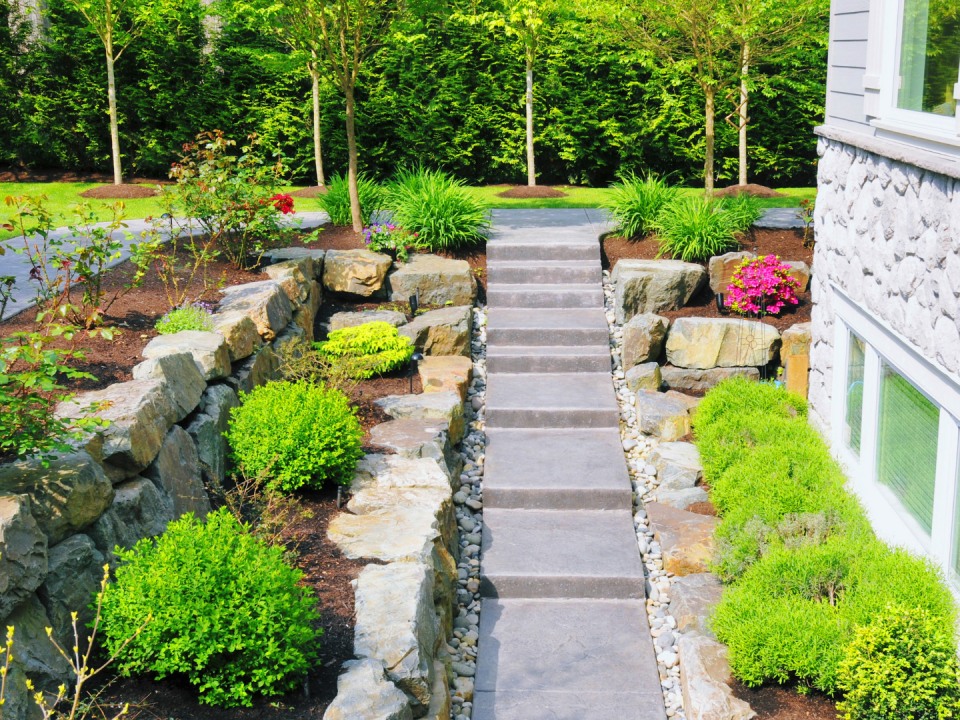
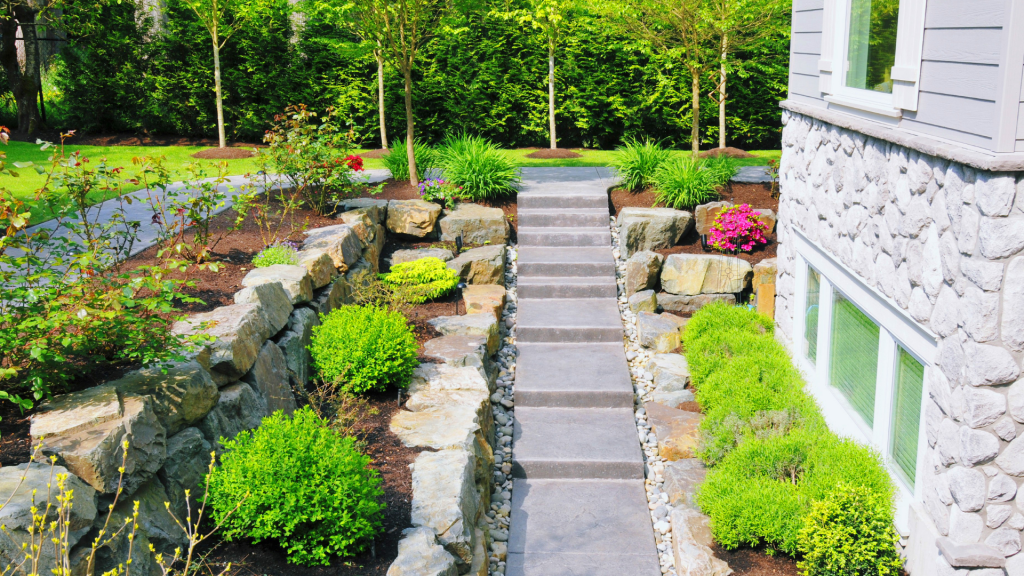
Pathways define circulation. Navigation improves.
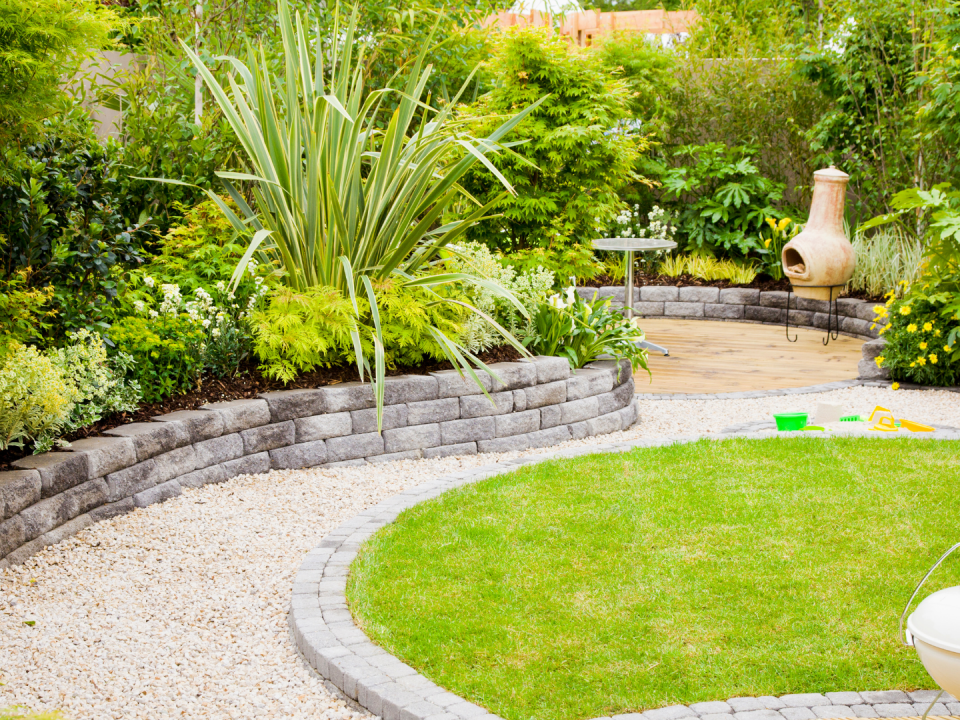
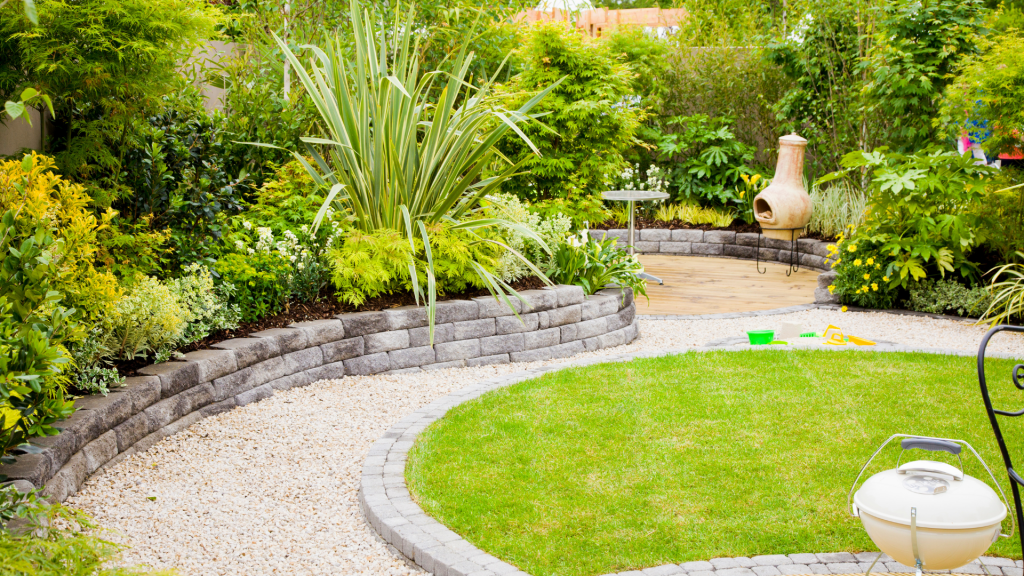
Borders and edges create clean transitions. Order improves.
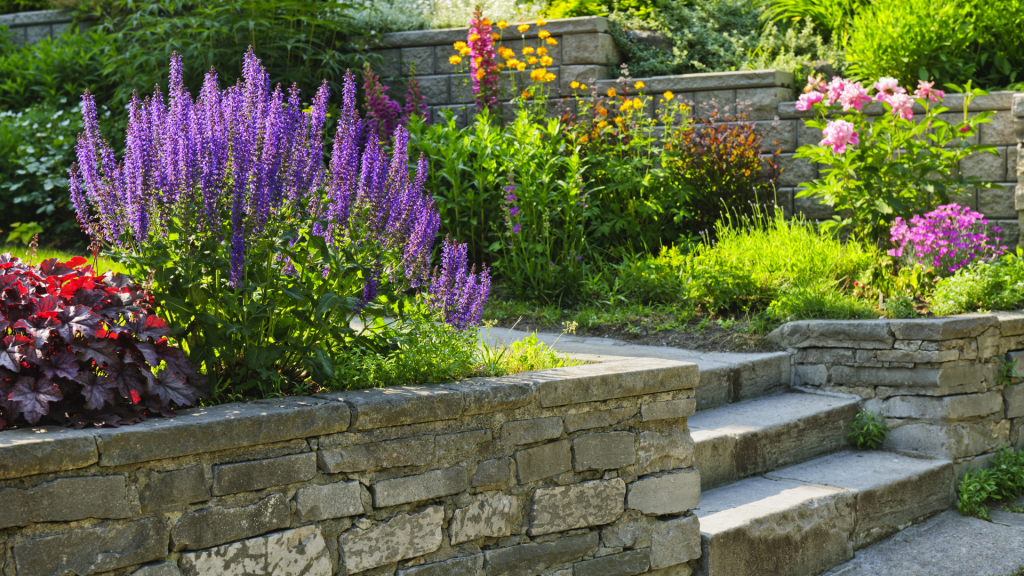
Retaining features support elevation changes. Stability matters.
Functional structures enhance usability. Outdoor flow improves.
Structural aspects support landscaping effectiveness.
Landscaping and Outdoor Functionality
Functionality is a key goal of landscaping. Outdoor areas are shaped for use.
Defined spaces improve activity planning.
Movement becomes intuitive. Accessibility increases.
Comfort improves with thoughtful layout.
Usability extends throughout the year.
Landscaping supports practical outdoor living.
How Landscaping Unifies Outdoor Design
Landscaping brings all outdoor elements together. Visual cohesion improves.
Design consistency enhances appeal.
Natural and built features align.
Outdoor spaces feel intentional.
A unified design improves satisfaction.
Landscaping completes outdoor environments.